Style & Presence · July 31, 2026 · 6 min read
Petite Isn't "Shorter" — Here's What Actually Changes in the Pattern
Petite sizing moves the shoulders, armholes, bust dart and waist seam — not just the hem. Here's what actually changes, and why hemming can't replicate it.
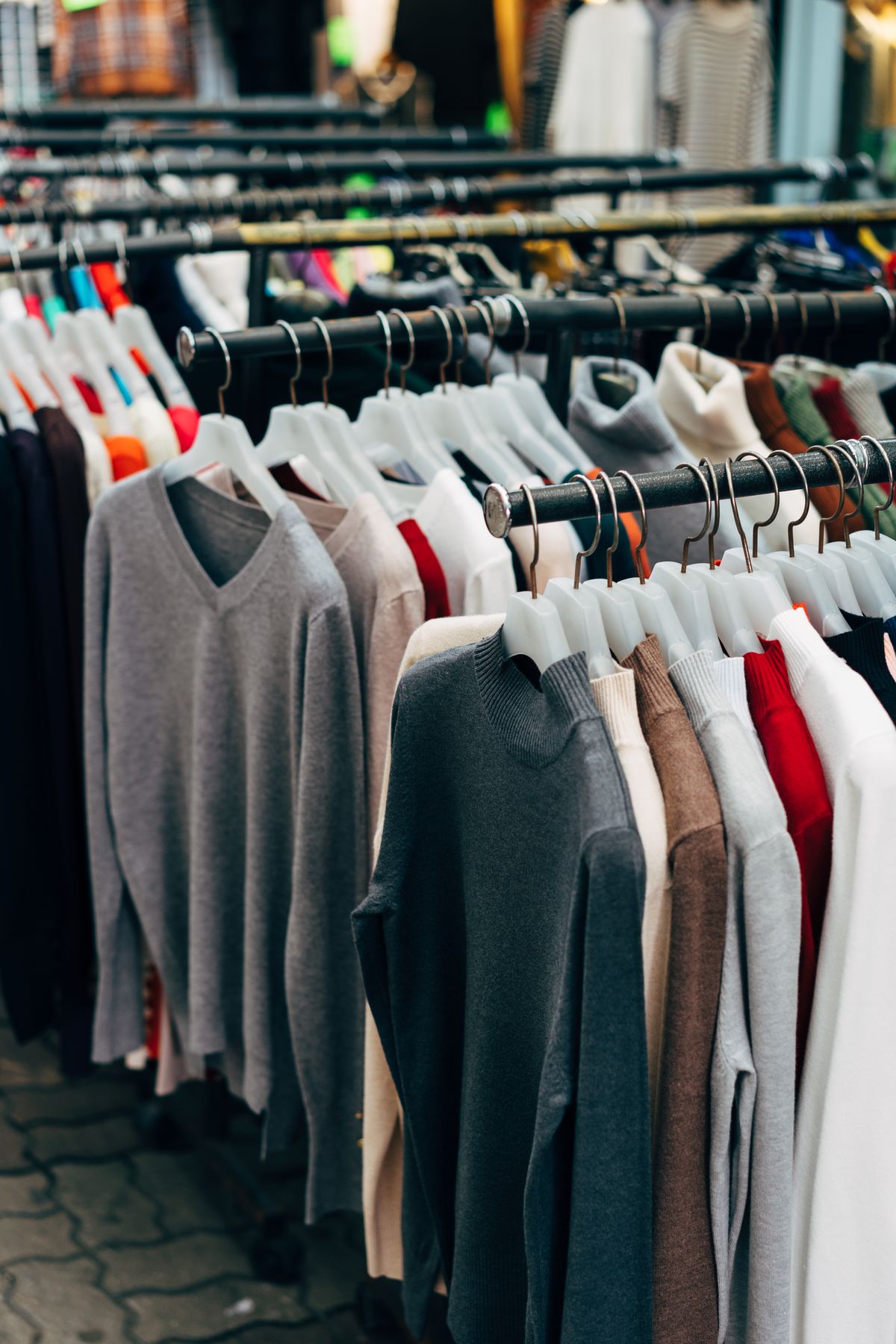
Petite sizing isn't regular sizing made shorter. Petite lines are drafted for a frame around 5'4" and under, and the whole pattern is rescaled: narrower shoulders, higher armholes, a repositioned bust dart, a raised waist seam, shorter sleeves and rise. Length is the last change, not the point.
Most people meet petite sizing through the hem, file it under "short version," and move on. Then they buy a regular blazer, have it hemmed by a good tailor, and it still sits oddly — so they conclude something is off about them.
Nothing is off about you. A pattern is a set of assumptions about where a body's landmarks sit: where the shoulder ends, where the arm joins the torso, where the bust is fullest, where the natural waist falls. A regular block spaces those for a longer frame, so on a shorter one every single one lands low.
Here's the line worth memorising: hemming fixes length; it does not move the waist seam, the dart, or the armhole. A hem is the one thing a tailor can change cheaply and invisibly; everything above it is structural. That's why a hemmed regular jacket still reads wrong while a petite one doesn't — you fixed the cheap quarter of the problem and left the expensive three quarters in place.
And the cost isn't how you look. It's your attention. A low armhole means re-seating the shoulders every time you reach; a waist seam on your hip means a small tug each time you stand. None of it is dramatic, and all of it is a half-second spent checking on yourself instead of listening. You feel it afterwards, when you can't quite recall what they said.
What actually changes in a petite pattern?
A petite block rescales the whole garment. Shoulder width narrows, the armhole is raised and shortened so the underarm seam sits closer to the actual armpit, the bust dart moves up and often in, the waist seam is raised to the shorter natural waist, sleeve length and rise shorten, and the knee break and pocket placement shift up to match.
Placement is the tell most people miss. A patch pocket sits relative to the waist, so if the waist moves up two inches, the pocket moves with it. Same with the knee: trousers carry slight shaping there, and on a hemmed regular pair it now sits mid-calf — which is why the leg looks baggy in the wrong spot at a perfect length.
Am I petite? (it's not about weight)
Petite describes proportions, not body size. The measure is frame height and torso length — roughly 5'4" and under is the standard draft — not your dress size, not the number on the scale. Petite lines exist across the full size range for exactly this reason. Conflating petite with small is the single most common misunderstanding in the whole category.
You can be a size 4 and not petite; you can be a size 20 and firmly petite. The variables are independent: one is how much room the garment needs around you, the other is where its landmarks sit along you. Brands muddle it by shelving petite beside the smallest sizes. If you've ever skipped that rail because you weren't "small enough," that's merchandising talking, not the pattern.
Why doesn't hemming solve it?
Hemming removes fabric from the bottom edge. It cannot raise a waist seam, reposition a bust dart, narrow a shoulder or lift an armhole — those are set by seams sewn through the structure of the garment. A hemmed regular jacket still has its shoulder seam past your shoulder and its waist across your hip: you corrected the length and left the proportions untouched.
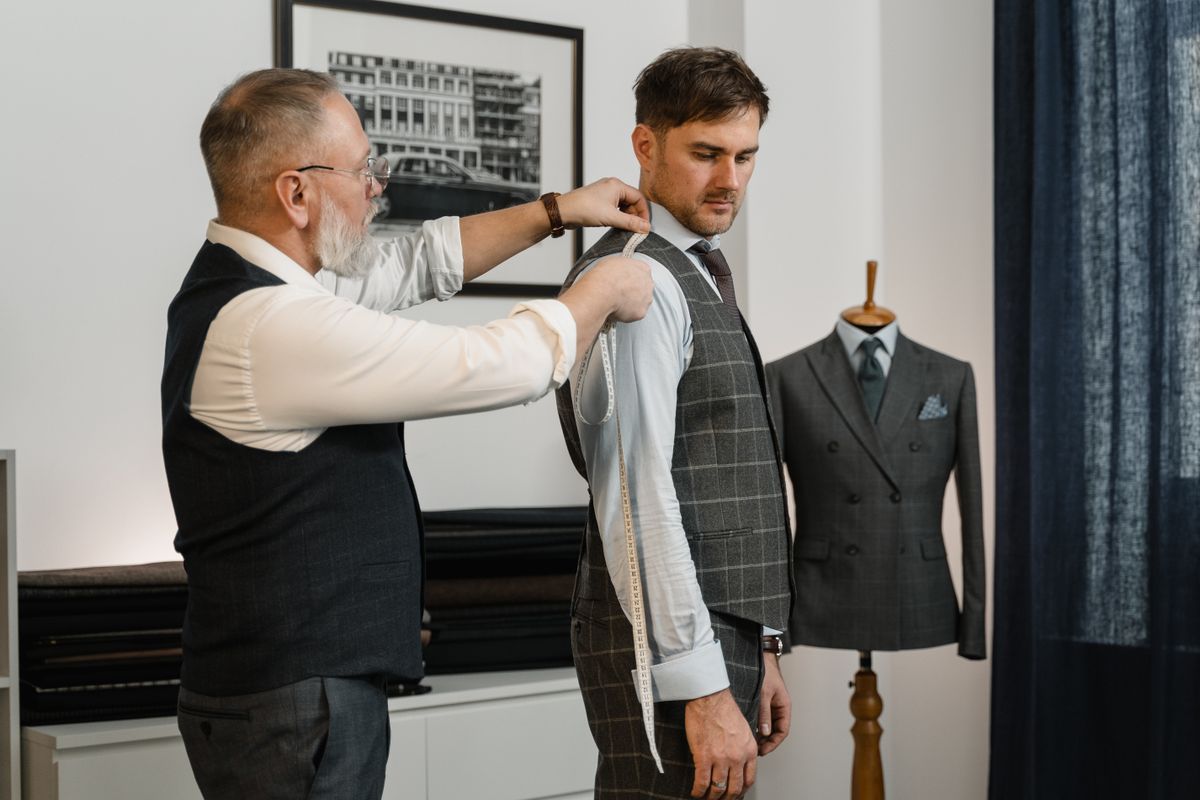
Some of it is alterable, just not cheaply. Narrowing shoulders or raising an armhole means detaching and resetting the sleeve; moving a waist seam on a structured jacket means taking the thing apart. So: buy the block that's already close and hem it, rather than buying the wrong block and asking a tailor to redraft it.
Which garments matter most?
Petite matters most where seams are load-bearing: blazers and structured jackets first, then anything with a defined waist seam — shirt dresses, belted coats — then tailored trousers and button-down shirts. It matters least on unstructured knits, drapey tops and elastic-waist anything, where there's no fixed seam to land in the wrong place.
If you only ever buy one petite item, make it a blazer: it carries all four landmarks at once, so it's where the difference is most visible and the alteration bill highest. Jeans are second, because rise and knee placement carry so much of the fit — the logic behind choosing jeans by build rather than by tag is the same logic behind petite denim.
What if you're petite in some measurements and not others?
Very common: many people are petite through the torso but not the leg, or the reverse. The practical test is where a garment's waist seam lands on you versus where it's meant to. If it sits below your natural waist, you're petite in the torso — buy petite tops and jackets. If only jackets misbehave and your inseam is fine, that's the mixed case, and you split your buying.
Work it top down. Shoulders and armholes can't be fixed cheaply, so let those decide the block; hems and inseams can, so let those be the compromise. A petite jacket with the sleeves let down beats a regular jacket hemmed short, every time. Same read as where your waist and hips sit relative to each other: a few landmarks let you filter racks by eye.
The reframe worth keeping
When a garment sits wrong, the garment is what has a shape problem. It was drafted around assumptions your body simply doesn't match. That's a manufacturing fact, not a verdict on you — and once you can name the mismatch, shopping turns from a mood into a filter.
That's the whole return. Clothes that fit don't make you more anything; they stop charging you the constant toll of self-monitoring, which is what looking effortlessly put together actually is underneath: nothing to adjust, so nothing to think about. What a well-fitting garment says is simply this person isn't managing their clothes — which leaves them free to be in the room with you.
Ready to spend that attention on people worth it? Snaptle connects you with real, moderated, verified-real people by shared interest, then lets you take it to Snapchat — so the version of you who isn't re-seating a shoulder seam is the one who shows up. It's a connection app, not a dating app: 18+, free on iOS and the web.
Find your people on Snaptle
A free way to connect with creators, grow your audience, and make real friends — no pressure, just good company.