Snapchat Growth · July 13, 2026 · 5 min read
The Best Jeans for Your Body Type (and Why the Right Pair Makes You Stand Taller)
A friendly, no-shame guide to finding jeans that actually fit your build — and why the right, comfortable pair quietly hands you confidence instead of self-consciousness.
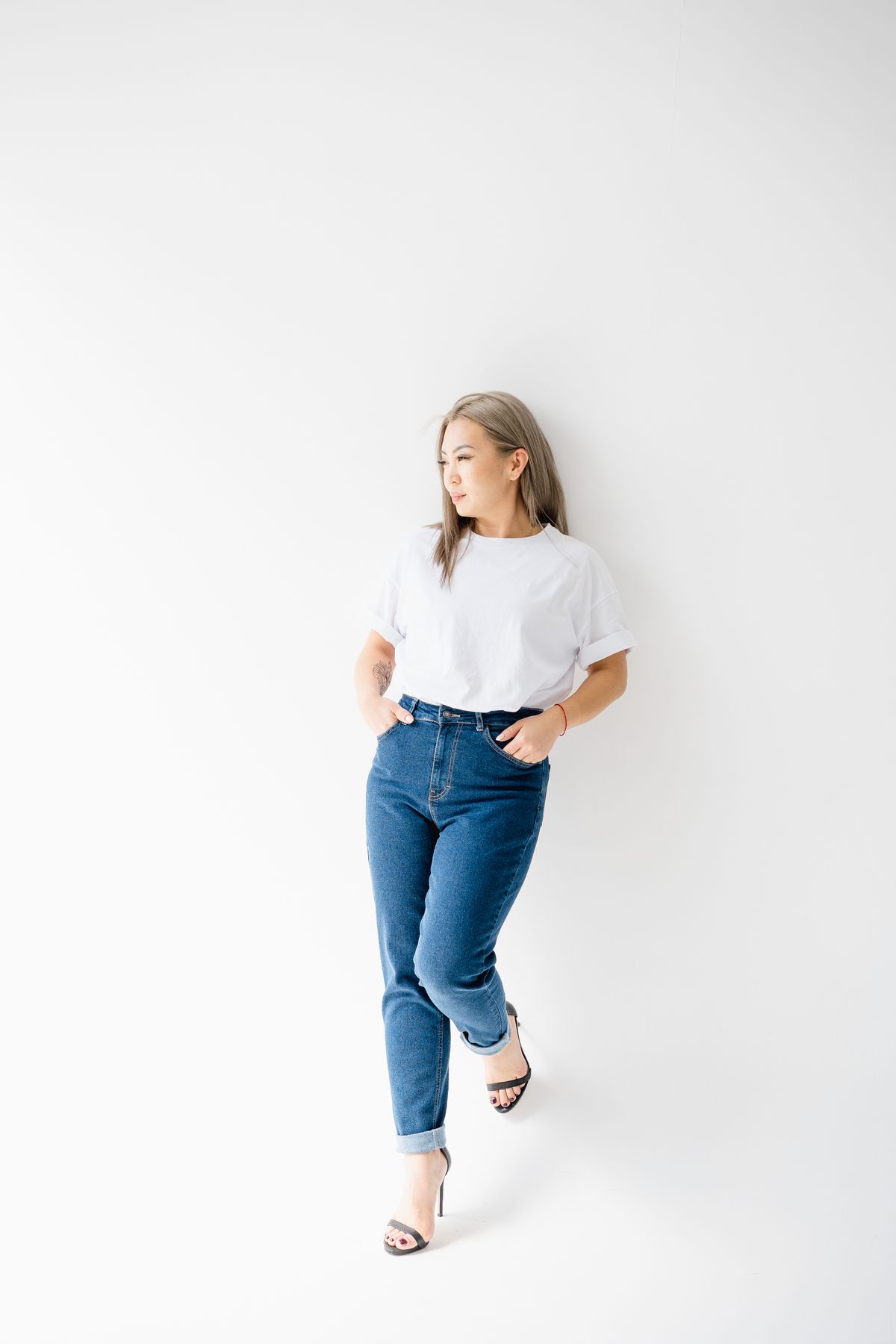
Everyone has a pair of jeans they reach for without thinking — the ones that just feel right — and a pile of others that technically fit but somehow never leave the drawer. The difference is rarely the size on the tag. It's whether the cut matches your actual build, so you can wear them all day and forget they exist.
That "forget they exist" part is the whole point of this guide. This isn't about looking a certain way for anyone else, and it's definitely not about hiding or fixing your body — there's nothing to fix. It's about finding jeans that fit comfortably, because comfort is the input that quietly changes how you carry yourself. Get this one boring thing right and you stop tugging, stop checking, and stand a little taller by accident.
First, one rule that matters more than your shape
Sizing is a mess. A "32" in one brand is a different garment in the next, and vanity sizing means the number on the label tells you almost nothing. So ignore it. Buy the pair that feels good when you sit down, squat, and walk — not the one with your "goal" number on it. If you're thinking about your waistband, the jeans are wrong, full stop.
Why does this matter so much? Because your attention is finite. In How to Be Yourself, psychologist Ellen Hendriksen describes the spotlight effect — we massively overestimate how much other people are noticing us. But when you're physically uncomfortable, you notice you, constantly, and that self-monitoring is exhausting. Comfortable jeans don't make you look better so much as they free up the attention you were spending on yourself, so you can spend it on the people around you instead.
A comfort-first fit guide by build
Think of these as starting points, not rules. Bodies don't come in four tidy boxes, and the "best" pair is always the one that feels effortless on you.
- Straighter / athletic build. If your waist and hips are close in width, straight-leg and relaxed-tapered cuts tend to hang cleanly without gaping at the back. A mid-rise usually stays put when you move, so you're not hitching them up all day.
- Curvier hips and waist. A higher rise and a bit of stretch in the denim usually means no waistband gap and nothing digging in when you sit. Look for "curve" or "shaped" fits — they're cut for a bigger hip-to-waist difference, so they feel like they were made for you rather than fought into.
- Fuller through the thighs and seat. Stretch is your friend; so is a relaxed or straight leg that isn't gripping the whole way down. You want room to move without excess fabric bunching — the test is a comfortable squat, not a mirror.
- Tall. The real enemy is a hem that lands wrong and a rise that sits too low. Seek out "long" or "tall" inseams so the leg length is actually yours, not almost-yours.
- Petite / shorter. Full-length jeans meant for taller frames pool at the ankle and swallow your legs. A "petite" or cropped length that hits at the right spot instantly reads as intentional and feels lighter to walk in.
The through-line: rise (where the waist sits), stretch (whether it moves with you), and length (where the hem lands) do more for comfort and how you stand than any wash or trend. Nail those three and almost any style works.

Why the right jeans feel like confidence
Here's the quiet mechanism. When your jeans fit, you're not doing a hundred tiny self-conscious adjustments — no waistband hitch, no thigh de-cling, no worrying whether you can sit down. Hendriksen calls those little fidgets safety behaviors: small moves we make to feel okay that actually keep us stuck in our own heads. Fussing with your outfit is one of them, and it reads to other people as tense or distracted, even though inside it just feels like managing.
Drop the fidget and something shifts. You stand straighter because nothing's pulling at you. You're present because your attention isn't on your own waistband. That's the same loop we cover in dressing for confidence — comfortable clothes make the open, easy posture the default, and your brain reads that posture back as I'm fine here. Same body, same face; completely different way of standing.
Stop dressing for the judges in your head
The trap with any "what to wear" advice is turning it into one more thing to get right — one more performance to nail. Don't. Remember the spotlight effect: the stranger across the room is not grading your denim. They're thinking about their own outfit, their own text they haven't replied to, their own everything. That's genuinely freeing, and it's the same idea behind why nobody is scrutinizing your profile or your bio as hard as you fear.
So the goal was never to look a certain way for other people. It's the thing your clothes say before you even speak — this person is comfortable in their own skin — and comfort is the one thing you can't fake and don't have to. Find the pair you forget you're wearing, and let it do the quiet work while you go feel comfortable in your own skin and more socially confident.
The one-line version
Buy for fit and comfort, not the number on the tag. The right jeans don't make you a different person — they just get out of the way, so the confident, comfortable, present version of you is the one who shows up.
Ready to be seen by the right people? Snaptle connects you with real, moderated, verified-real people by shared interest, then lets you take it to Snapchat — so the comfortable, at-ease version of you meets people who are actually into the same things you are. It's a connection app, not a dating app: 18+, free on iOS and the web. Wear what feels like you, and let the right people lean in.
Find your people on Snaptle
A free way to connect with creators, grow your audience, and make real friends — no pressure, just good company.