Snapchat Growth · July 13, 2026 · 5 min read
Dress for Confidence: How the Right Fit Changes How You Feel
The clothes you feel good in don't just change how you look — they change how you carry yourself and how confident you feel. Here's the quiet science of dressing for confidence.
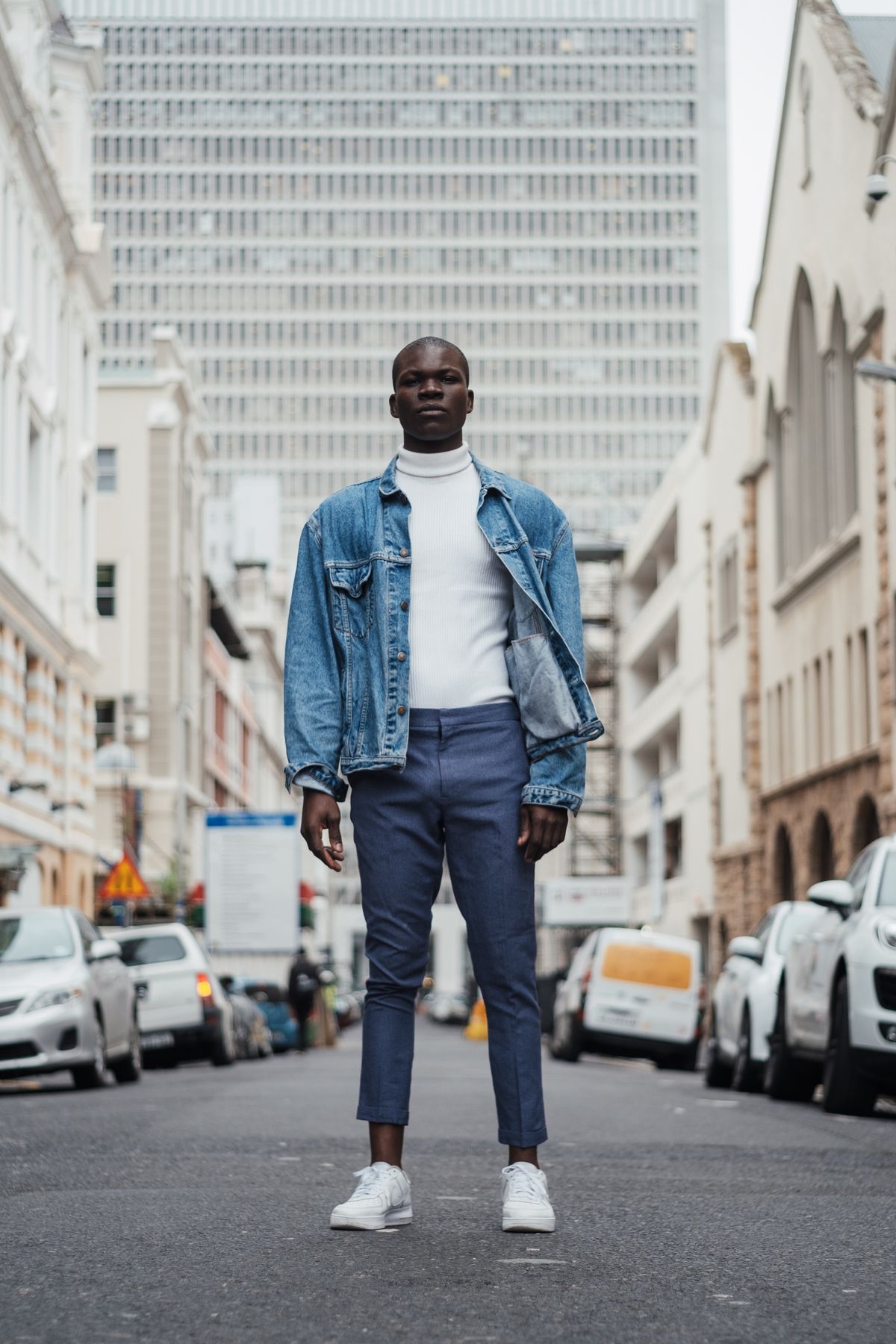
There's a specific feeling you get in the outfit that just works. You stand a little taller, your shoulders drop, you stop checking the mirror. You forget what you're wearing and just get on with your day. That feeling isn't vanity — it's your clothes doing something to your head, not just to how you look.
Most "dress to impress" advice is aimed outward: what other people will think of you. This is about the opposite direction. The right clothes change you first — how confident you feel, how you move, how present you are — and everything other people notice flows from that. You don't dress for the room. You dress for the version of yourself who's going to walk into it.
Your body talks to your brain, not just the other way around
We usually assume the mind runs the body: feel confident, then act confident. But it runs both ways. In Presence, social psychologist Amy Cuddy makes the case that how you carry yourself feeds back into how you feel. Stand open and grounded and you tend to feel steadier; fold in on yourself and you feel smaller. (The exact effect sizes get debated, but the safe, useful takeaway holds up: your posture and physical ease influence your internal state.)
Clothes are part of that loop. An outfit that fits and feels good makes it easy to stand open — you're not hunching to hide a too-tight waistband or tugging a shirt down all night. An outfit you're fighting with does the reverse: it quietly forces you into small, closed, self-protective posture, and your brain reads that posture as "we are not okay here." The fabric isn't magic. It just makes the confident posture the path of least resistance.
Comfort is a confidence input, not a compromise
There's a myth that looking good and feeling comfortable are a trade-off — that confidence costs a little suffering. It's backwards. Discomfort is a leak. If you're aware of your clothes — pinching, riding up, itchy, one gust of wind from a wardrobe malfunction — part of your attention is stuck on you instead of on the people in front of you.
Cuddy's other big point is about exactly this kind of self-focus: anxiety makes us monitor ourselves instead of connecting, and that self-monitoring is what others actually pick up on. Fidgeting with your outfit is self-monitoring you can see. The most confident-looking people in the room usually aren't the best dressed — they're the ones who clearly aren't thinking about their clothes at all. Wear the thing you forget you're wearing, and you hand all that reclaimed attention to the conversation.

Fit beats price, brand, and "trendy"
Here's the freeing part: none of this requires money or a good eye for fashion. It requires fit. A cheap tee that actually fits your shoulders will do more for how you carry yourself than an expensive one that doesn't. The single highest-leverage upgrade most people can make isn't buying more clothes — it's wearing clothes that are the right size and shape for their actual body, today, not the body they're planning to have.
That's true from the ground up, and it's why the pair of pants you reach for on autopilot matters more than any statement piece. If you want the most practical version of this, the right jeans for your body type is the clearest example of fit quietly doing the work of confidence — same body, same face, completely different way of standing.
"Fake it till you become it," but gently
Cuddy's most quoted line is "fake it till you become it" — the idea that repeatedly stepping into the bolder version of yourself slowly makes it real, instead of waiting to feel ready first. Dressing for confidence is a small, low-stakes rep of exactly that. You put on the thing that makes you stand taller, you act a little more open than you feel, and after enough reps the open version stops being an act.
This is the same muscle behind quiet, unforced charisma and behind learning to fake confidence until it's real. Your outfit is just the easiest lever to pull, because you touch it before you leave the house. Pair it with calm, confident body language and you've stacked two cheap wins before you've said a word.
What this is not
It's not "dress hot." It's not about being conventionally attractive, spending money, or performing a look. Chasing "hot" usually adds self-consciousness, because now you're monitoring whether the effect is landing — the exact opposite of presence. The goal is quieter: clothes that fit, feel good, and let you stop thinking about them, so you can build real confidence from the inside instead of borrowing it from a mirror.
And if this whole topic makes you more anxious rather than less, that's a sign you've turned it into one more performance to nail. Drop the bar. You don't need a look. You need to feel like yourself and forget what you're wearing — which is most of what feeling socially confident actually is.
Get dressed, then go be seen
Pick the outfit you feel good in — the one that fits, that you don't have to fuss with, that lets you stand up straight without deciding to. Notice that you already move differently in it. Then go somewhere you actually want to be, with people worth showing up for. The clothes got you to the door in the right posture; the rest is you.
Ready to be seen by the right people? Snaptle connects you with real, moderated, verified-real people by shared interest, then lets you take it to Snapchat — so the confident, comfortable version of you meets people who are actually into the same things you are. It's a connection app, not a dating app: 18+, free on iOS and the web. Dress like yourself, stand tall, and let the right people lean in.
Find your people on Snaptle
A free way to connect with creators, grow your audience, and make real friends — no pressure, just good company.